Compressor Mechanical Failure — Bearing/Piston/Valve Damage
A field reference for compressor faults — what causes it, how to confirm it on the unit, how to repair it, and what fails next if you leave it. Written for working HVAC & refrigeration technicians.
From the bench — a real overhaul
When a reciprocating compressor "still runs but won't pull down," the answer is usually inside the head. Here is what mechanical failure actually looks like on the bench — photographed during a real overhaul of a semi-hermetic R-22 compressor pulled from a cold-storage room.
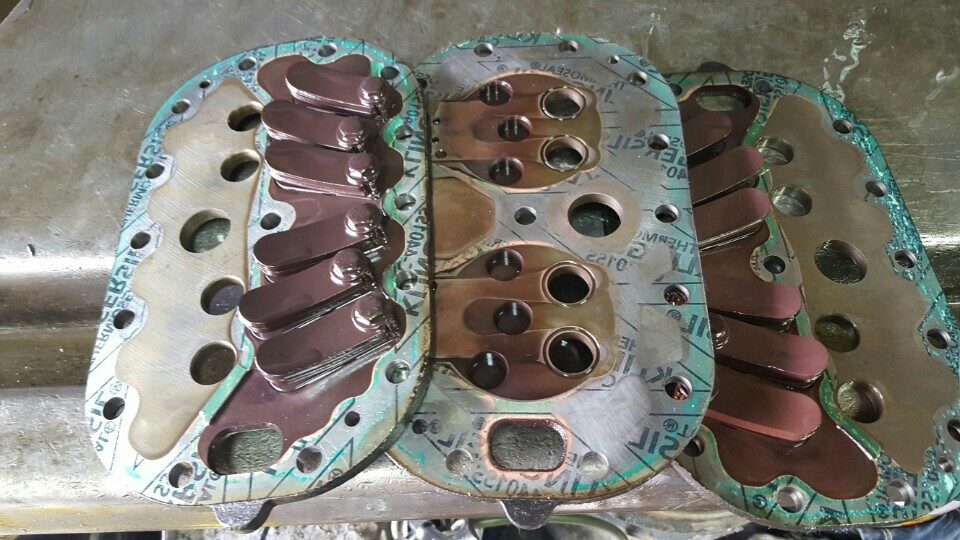
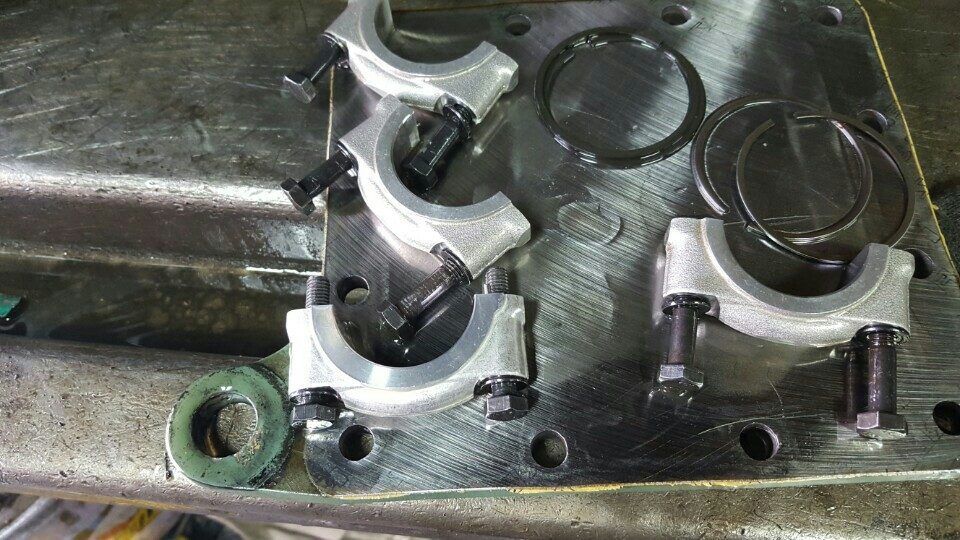
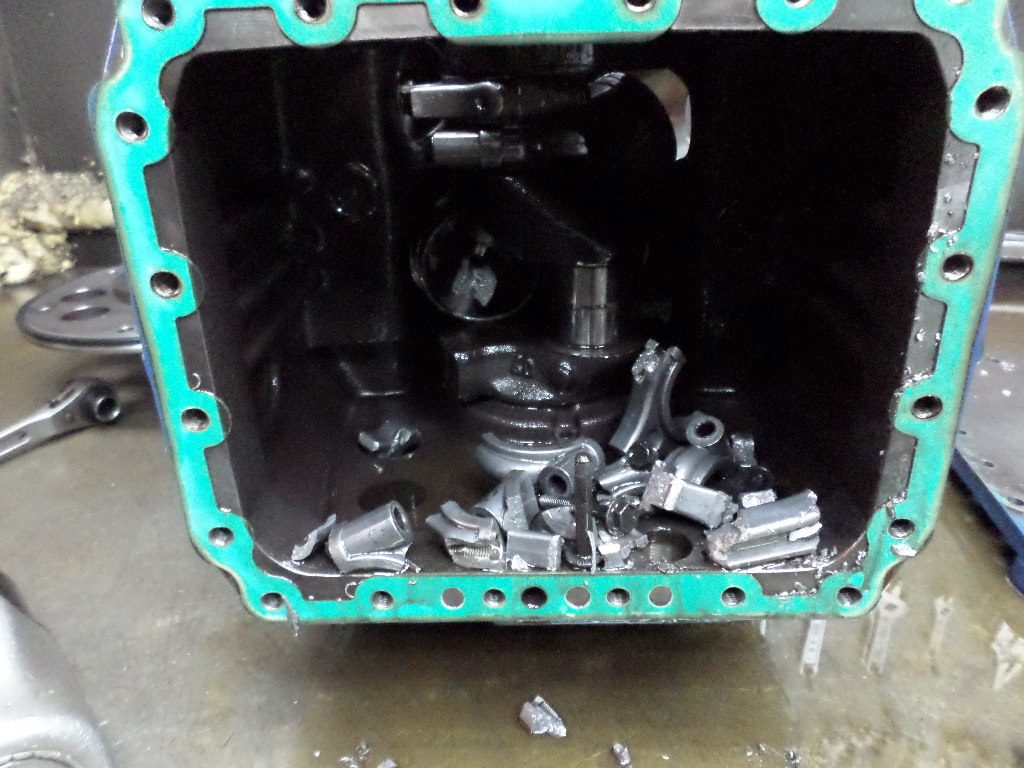
The takeaway is the one every field tech learns the hard way: the cheapest repair is the one you catch before the compressor is on the bench. Log discharge temperature, running current, and sound on every visit, and the "it’s different this time" moment arrives early — while it’s still a service call, not a new compressor.
How to confirm it on site
- Stethoscope — abnormal knock/squeal
- Vibration 2x normal (esp. bearing freq)
- Discharge pressure 1–2 bar low (valve leak)
- Discharge/suction ratio below rated
- Current fluctuation
- Oil level decreasing
Root causes
- Liquid slugging — TXV overfeeding, off-cycle migration
- Oil shortage — separator failure, improper traps, leaks
- Long short-cycling — bearing impact accumulation
- Low refrigerant → motor cooling fails → bearing overheat
- Debris ingress — poor cleanup
If you leave it unrepaired
- Abnormal noise (knocking/clicking/metal) → progressive damage
- Efficiency drop 30–50%
- Oil leak/consumption
- Current fluctuation ±10–30%
- Sudden stop or accompanying burn-out
How to fix it
- Early stage: fix liquid slugging causes
- Oil shortage: top up + check separator/traps
- Severe: replace compressor
- Ensure system cleanliness — replace drier/oil
- Prevention: install accumulator + verify crankcase heater
Carry all 600+ fault cases in your pocket
R-Pro is an offline-first field app for HVAC & refrigeration techs: AI fault diagnosis, voice memo, nameplate scan, customer & service tracking — in 10 languages. Works with no signal on site.
Start a free tier →FAQ
What causes compressor mechanical failure — bearing/piston/valve damage?
Liquid slugging — TXV overfeeding, off-cycle migration Oil shortage — separator failure, improper traps, leaks Long short-cycling — bearing impact accumulation Low refrigerant → motor cooling fails → bearing overheat Debris ingress — poor cleanup
How do I diagnose compressor mechanical failure — bearing/piston/valve damage on site?
Stethoscope — abnormal knock/squeal Vibration 2x normal (esp. bearing freq) Discharge pressure 1–2 bar low (valve leak) Discharge/suction ratio below rated Current fluctuation Oil level decreasing
How do I fix compressor mechanical failure — bearing/piston/valve damage?
Early stage: fix liquid slugging causes Oil shortage: top up + check separator/traps Severe: replace compressor Ensure system cleanliness — replace drier/oil Prevention: install accumulator + verify crankcase heater
What happens if compressor mechanical failure — bearing/piston/valve damage is left unrepaired?
Abnormal noise (knocking/clicking/metal) → progressive damage Efficiency drop 30–50% Oil leak/consumption Current fluctuation ±10–30% Sudden stop or accompanying burn-out