Compressor Overheating — Abnormal Discharge Temperature
A field reference for compressor faults — what causes it, how to confirm it on the unit, how to repair it, and what fails next if you leave it. Written for working HVAC & refrigeration technicians.
From the field — what overheating leaves behind
Abnormal discharge temperature rarely announces itself — it shows up later, baked into the oil. These photos are from a semi-hermetic R-22 compressor on a cold-storage room that "still ran" but had quietly cooked itself.
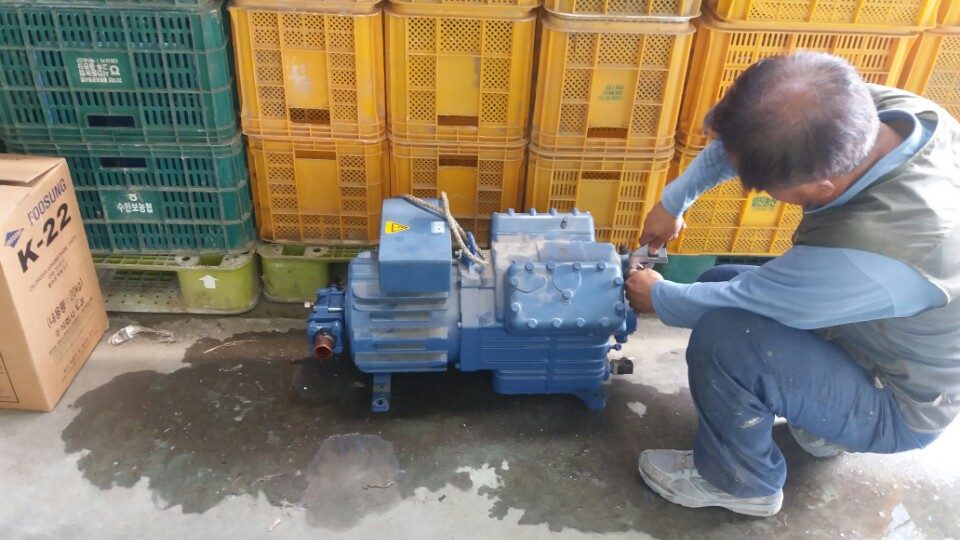
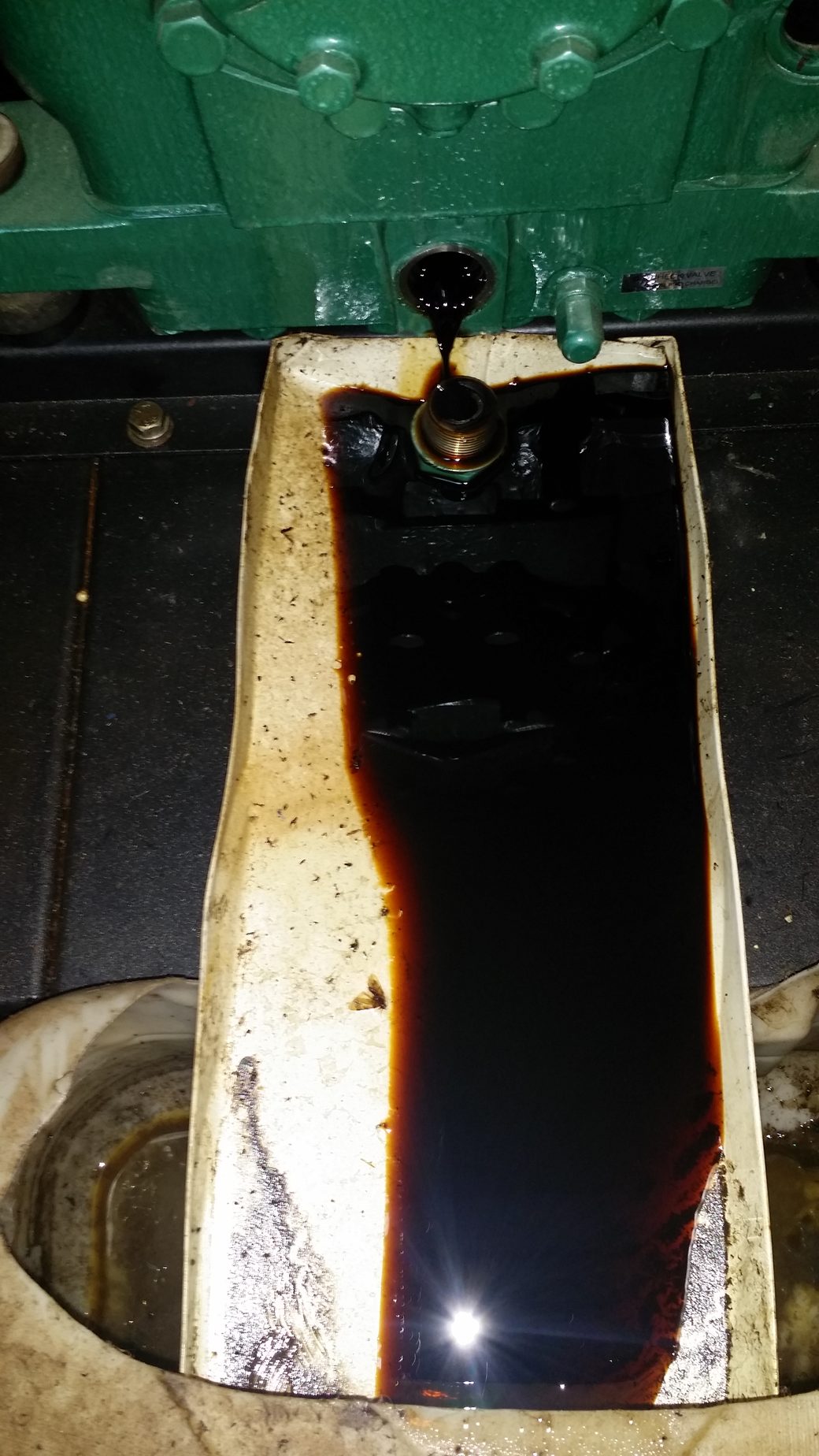
Overheating is a slow killer: by the time the oil looks like this, the bearings and valves are already on the clock. The cheap fix is a thermometer on the discharge line and the habit of logging it — catch the upward creep before it bakes the compressor.
How to confirm it on site
- Discharge line surface > 120°C abnormal
- Compressor casing too hot to touch
- Suction superheat > 15°C
- Suction/discharge pressure → compression ratio
- Ambient temp > 40°C in machine room
Root causes
- High suction superheat — low refrigerant or TXV blocked → motor cooling fails
- High condensing pressure — fouled condenser, fan stop
- Excessive compression ratio
- Wrong refrigerant type
- High ambient temperature — poor ventilation
If you leave it unrepaired
- Discharge temp >120°C → oil degradation (normal 70–100°C)
- Oil carbonization → sludge → system contamination
- Winding insulation damage → eventual burnout
- Internal protection trip → short-cycling → faster burnout
- Refrigerant decomposition → acid → further damage
How to fix it
- Address root cause: refrigerant/condenser/TXV
- Verify condenser fan
- Improve machine room ventilation
- Test oil TAN → replace oil+drier if acidic
- Severe: consider compressor replacement
Carry all 600+ fault cases in your pocket
R-Pro is an offline-first field app for HVAC & refrigeration techs: AI fault diagnosis, voice memo, nameplate scan, customer & service tracking — in 10 languages. Works with no signal on site.
Start a free tier →FAQ
What causes compressor overheating — abnormal discharge temperature?
High suction superheat — low refrigerant or TXV blocked → motor cooling fails High condensing pressure — fouled condenser, fan stop Excessive compression ratio Wrong refrigerant type High ambient temperature — poor ventilation
How do I diagnose compressor overheating — abnormal discharge temperature on site?
Discharge line surface > 120°C abnormal Compressor casing too hot to touch Suction superheat > 15°C Suction/discharge pressure → compression ratio Ambient temp > 40°C in machine room
How do I fix compressor overheating — abnormal discharge temperature?
Address root cause: refrigerant/condenser/TXV Verify condenser fan Improve machine room ventilation Test oil TAN → replace oil+drier if acidic Severe: consider compressor replacement
What happens if compressor overheating — abnormal discharge temperature is left unrepaired?
Discharge temp >120°C → oil degradation (normal 70–100°C) Oil carbonization → sludge → system contamination Winding insulation damage → eventual burnout Internal protection trip → short-cycling → faster burnout Refrigerant decomposition → acid → further damage