Cold Storage Rooms — What a Tech Actually Checks First
"It won't get cold" does not always mean the machine. Here is how to read a cold storage room from the outside in.
Anywhere that handles produce or food has a cold storage room. When the call is "it will not hold temperature," a good tech does not jump straight to the compressor — often the room itself is the problem. Here is the order I work in.
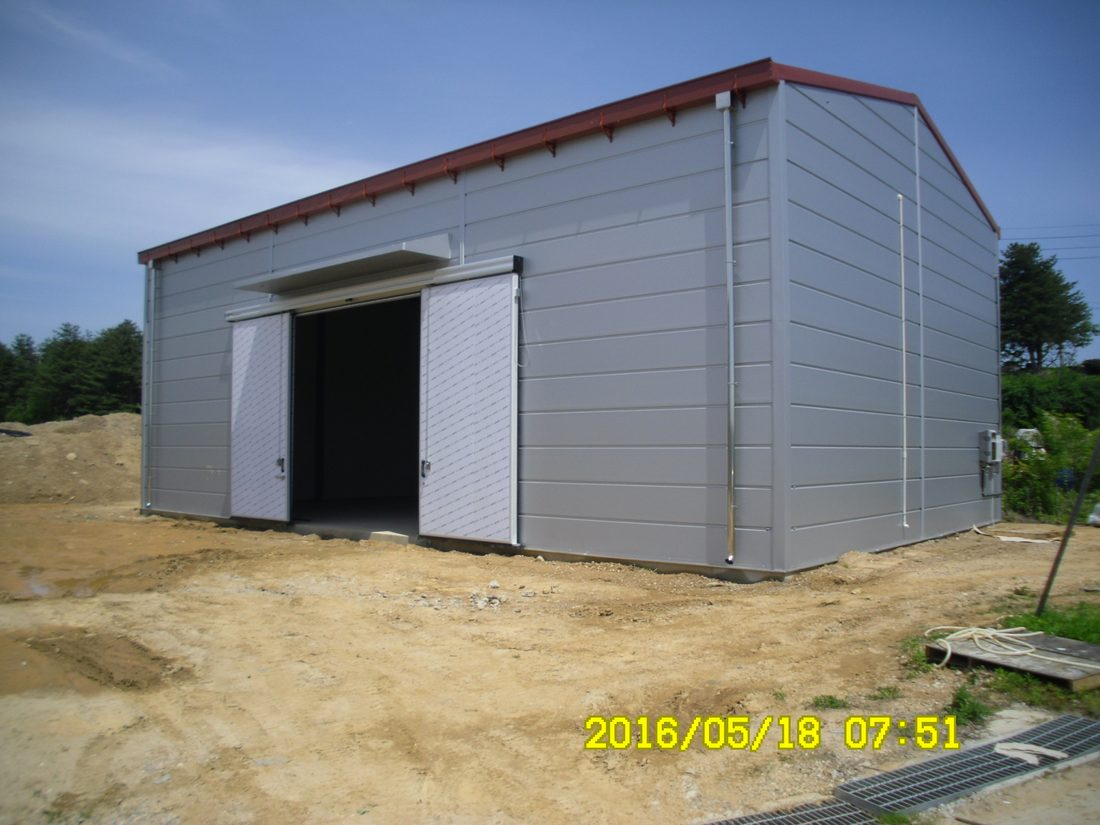
From outside I check three things first. Door gaskets: a leaking door pours warm air in and it will never pull down — look for torn or hardened seals. Panel seams and silicone: gaps cause condensation, frost, and lost insulation. Drain line: frozen or blocked and the water backs up. A big share of "won't get cold" calls are door or insulation, not the machine.
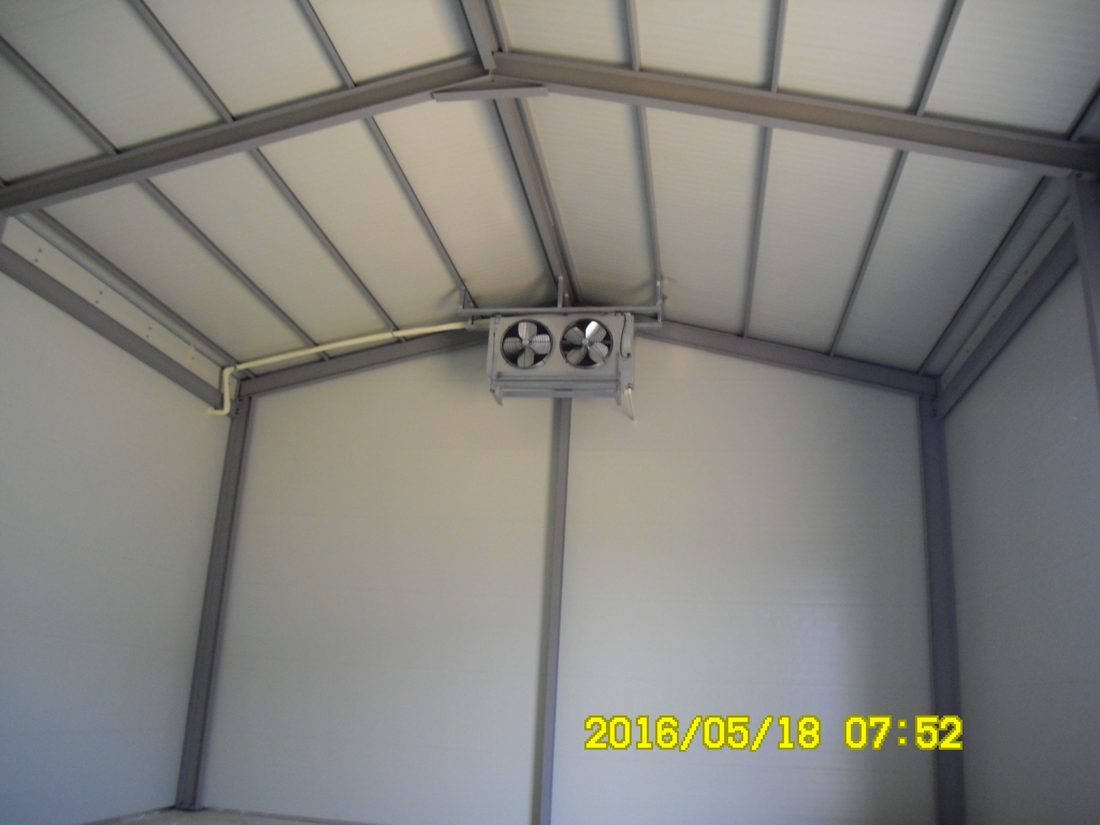
On the cooler I check: frost or ice build-up on the coil (thick frost blocks airflow — is defrost working?), the fan motors (one dead fan halves circulation), the drain pan and hose (defrost water must clear or it re-freezes into a cycle), and airflow direction (it should throw to both sides so the corners stay even).
So the order on a cold-room call is simple: room (door, insulation) → ceiling cooler (frost, fans, drain) → machine (compressor, refrigerant). Big to small. I log these checks per customer and room in R-Pro, so next time "last visit: adjusted defrost timer, cleaned drain" is right there and I am not starting from scratch. A cold room is full of money — catching it before it stops is the fastest, cheapest fix.