Inside a Reciprocating Compressor — The Parts That Wear Out
Field notes from a working refrigeration & HVAC technician
Open a reciprocating compressor and three parts tell you its whole story. Here is what to read on the valve plate, the bearings, and inside the crankcase.
A reciprocating (piston) compressor is just a motor turning a crankshaft, with connecting rods pushing pistons up and down to squeeze gas. When it loses performance, the answer is in three places. Here they are, from a real teardown.
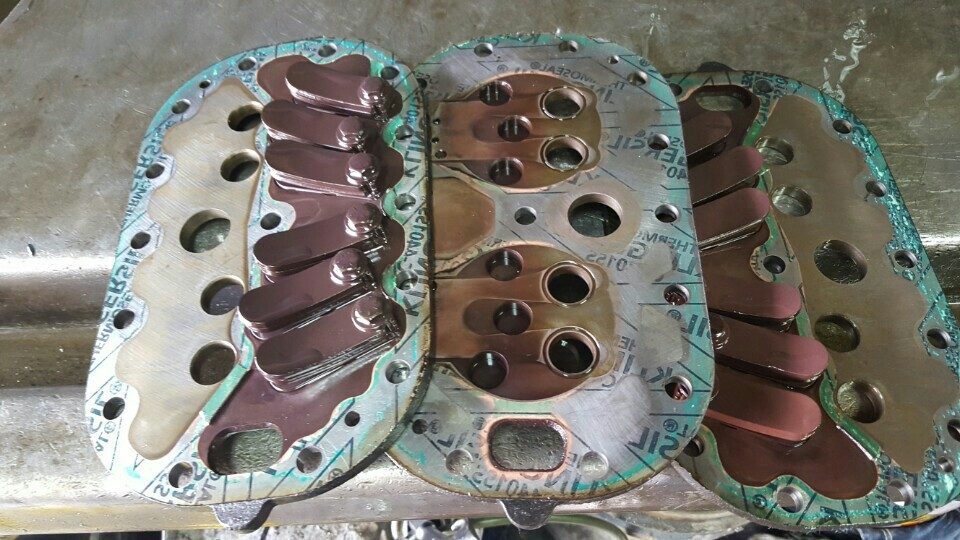
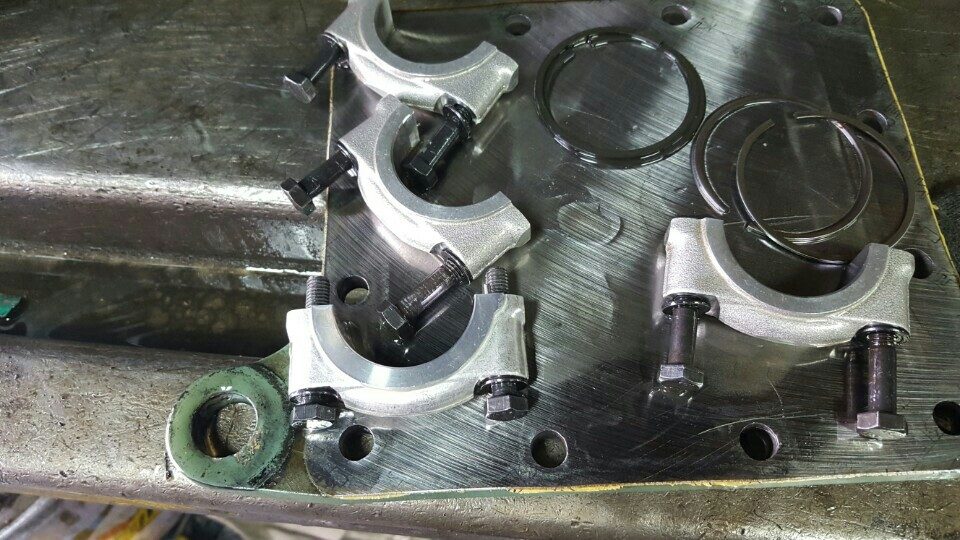
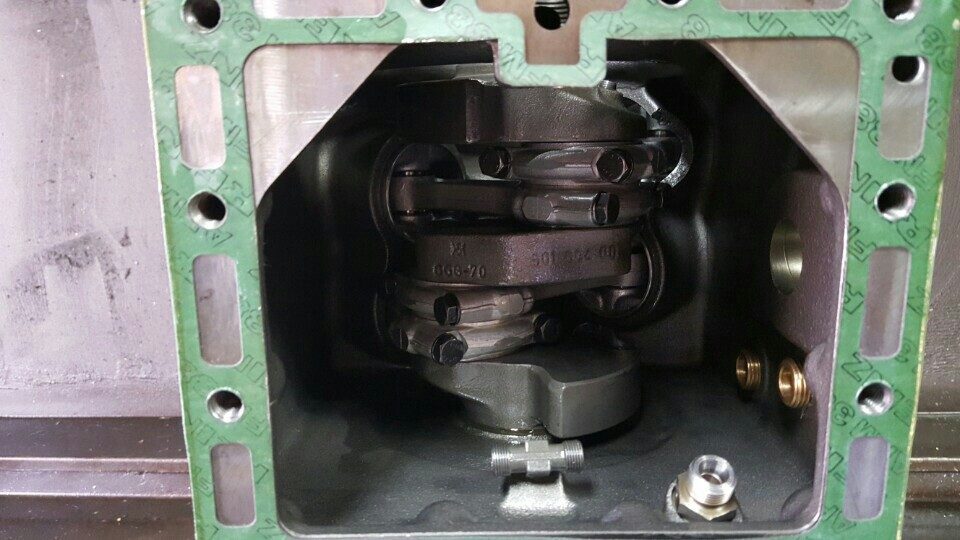
The valve plate. The thin brown discs are the suction and discharge reed valves — the heart of compression. If a reed cracks, warps, or will not seat, compressed gas leaks straight back and discharge pressure never builds. This is the classic "runs but will not cool."Bearing caps and piston rings. Look for scoring or smearing on the bearing faces (lost lubrication), rings that have lost their spring (worn rings leak compression and let oil climb), and any discoloration from heat. Each one quietly bleeds off capacity.Inside the crankcase — connecting rods on the crankshaft. This is where the motor's rotation becomes the piston's stroke. Play in these bearings, or scoring on the journals, means the compressor is on borrowed time.
None of this shows up on a gauge until it is bad. What shows up early is the trend — discharge temperature creeping up, current rising, a new sound. Log those per unit and you catch wear while it is still a service call. That trend history is exactly what I keep in R-Pro for every machine.
R-Pro — the field app behind these notes
Fault diagnosis, nameplate & receipt scanning, per-unit service history, refrigerant PT calculator and checklists — built by a tech, works offline.