R‑Pro Get the app

The Reed Valve — The Small Part That Decides Whether a Compressor Cools

Field notes from a working refrigeration & HVAC technician

The thinnest parts in a compressor do the most important job. Here is the reed valve — what it does, how it fails, and why an overhaul always swaps it.

A reciprocating compressor breathes through reed valves — thin spring-steel flaps that open and close hundreds of times a minute. Suction reeds let gas in; discharge reeds let compressed gas out and seal it from coming back. They are the smallest parts in the machine and the most important.
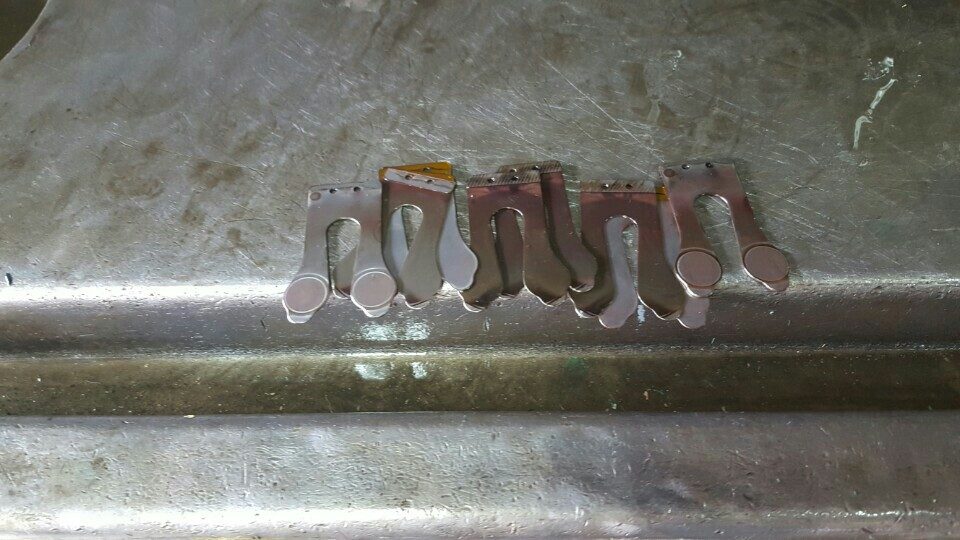
Used reeds pulled from a compressor. See the discoloration and the ben
Used reeds pulled from a compressor. See the discoloration and the bent, fatigued shapes. After millions of cycles — and any overheating — the steel loses its spring, warps, or cracks at the root. A reed that does not seat lets compressed gas leak straight back, so the compressor runs but pressure never builds.
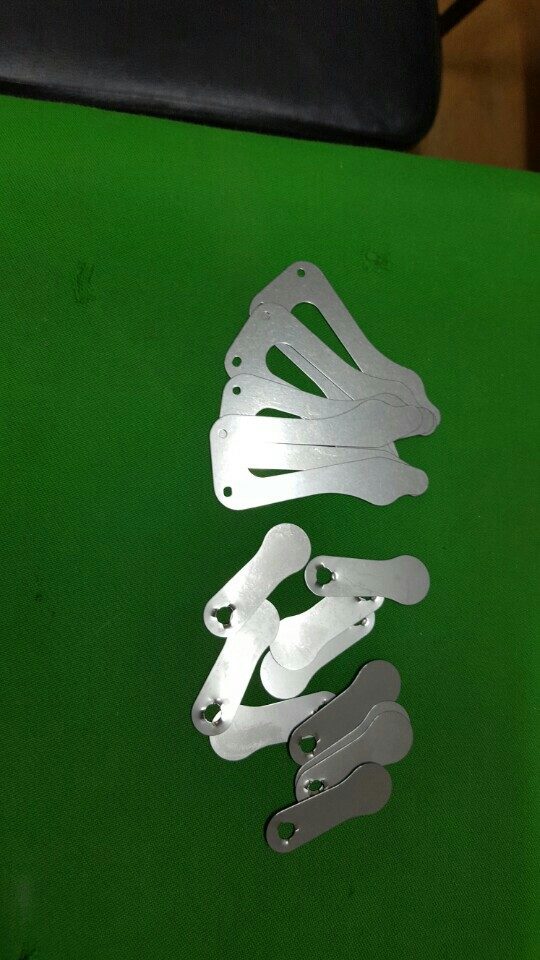
New reeds, ready to fit. They are matched to the valve plate and torqu
New reeds, ready to fit. They are matched to the valve plate and torqued to spec. On any overhaul the reeds are replaced, never reused — they are cheap, and a tired reed will undo the whole job.

This is why "the compressor runs but won't cool" so often comes down to a part you can barely feel the weight of. You cannot see a tired reed from outside; you read it in the numbers — low discharge pressure, poor capacity. Track those per machine and the valve job gets caught early. I keep that history in R-Pro for every unit I touch.

R-Pro — the field app behind these notes

Fault diagnosis, nameplate & receipt scanning, per-unit service history, refrigerant PT calculator and checklists — built by a tech, works offline.

See R-Pro
reed valvecompressor valvevalve platesuction valvedischarge valvecompressor repair