How a Refrigeration Compressor Gets Destroyed — An Overhaul in Photos
When a compressor "still runs but won't cool," the answer is usually inside. Here is what real failure looks like on the bench — and how to catch it early.
On a field call you sometimes open a compressor and it is already too late. This is a real overhaul of a semi-hermetic R-22 compressor pulled from a cold-storage room. The photos tell the story better than words.
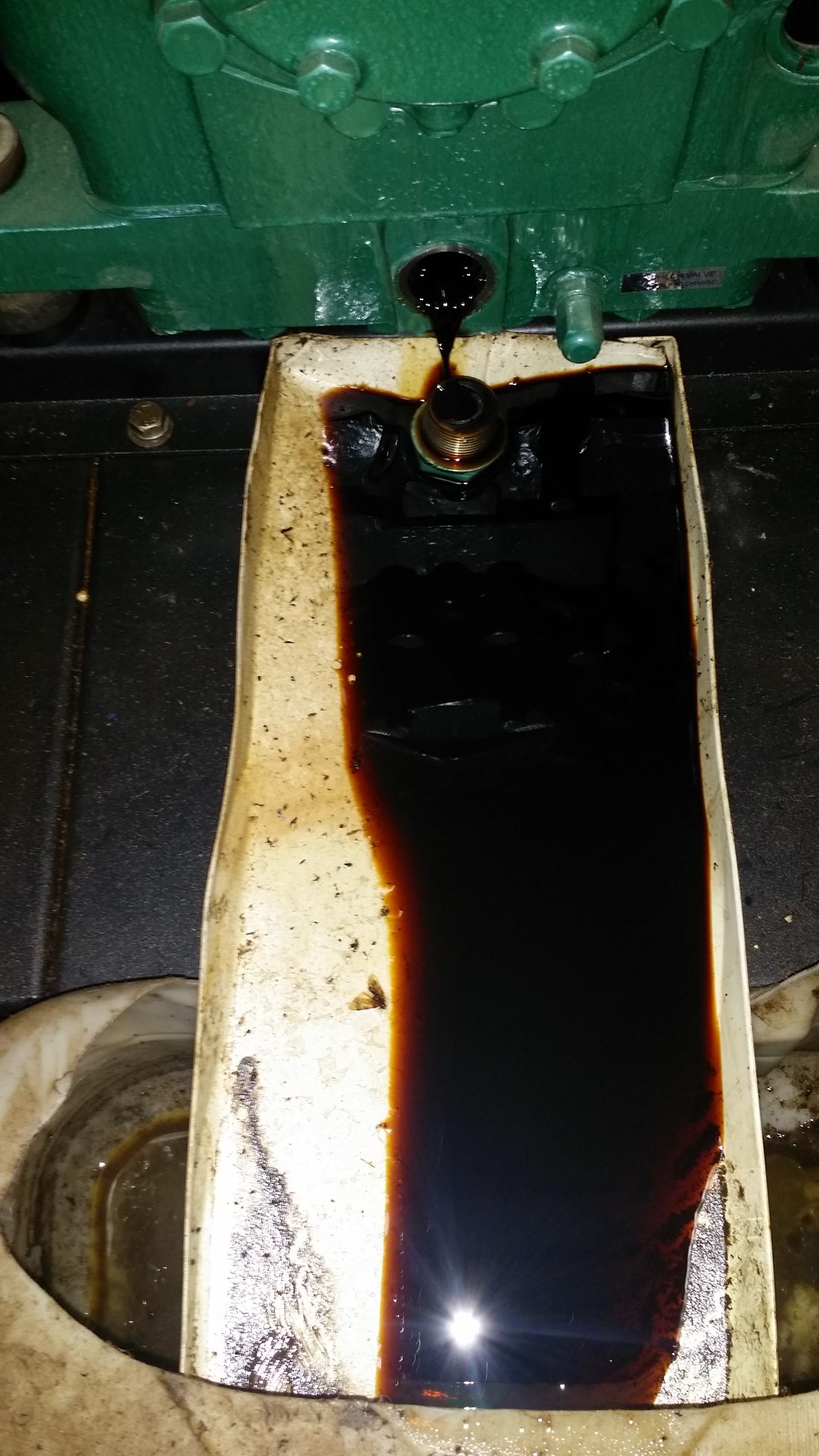
Oil this dark means metal is already grinding inside. The cause is almost always one of three: low refrigerant charge (suction gas cools the compressor — too little and internal temperature spikes), poor lubrication (low or refrigerant-diluted oil breaks the oil film), or sustained overload (high pressure and current past the limit).
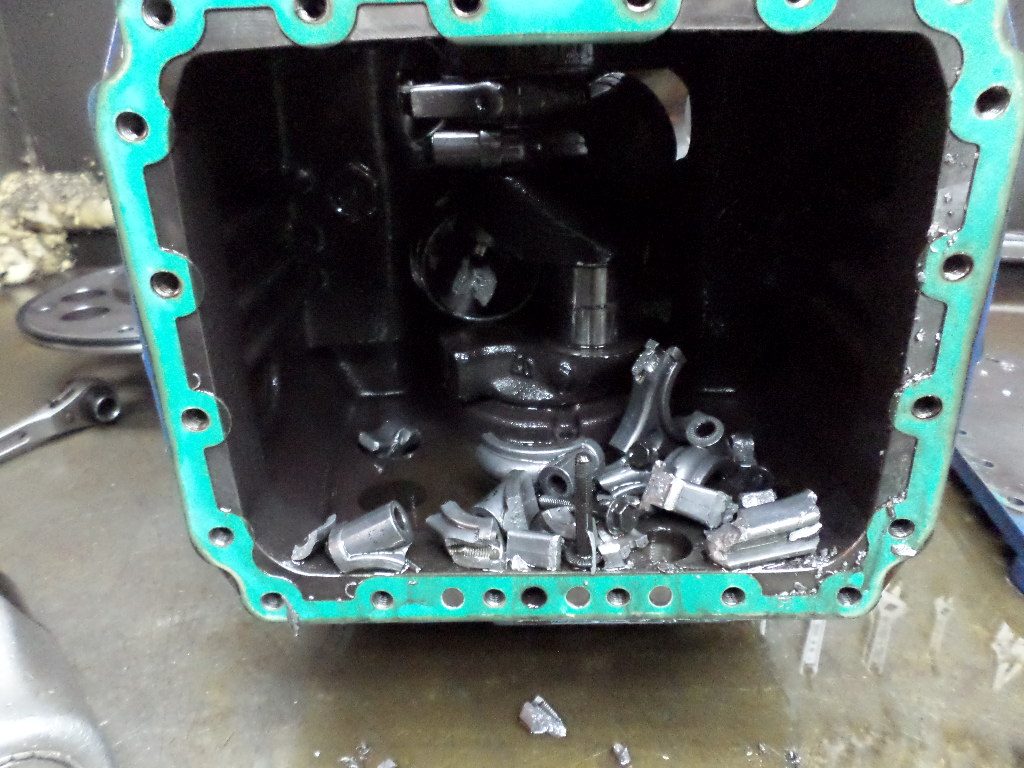
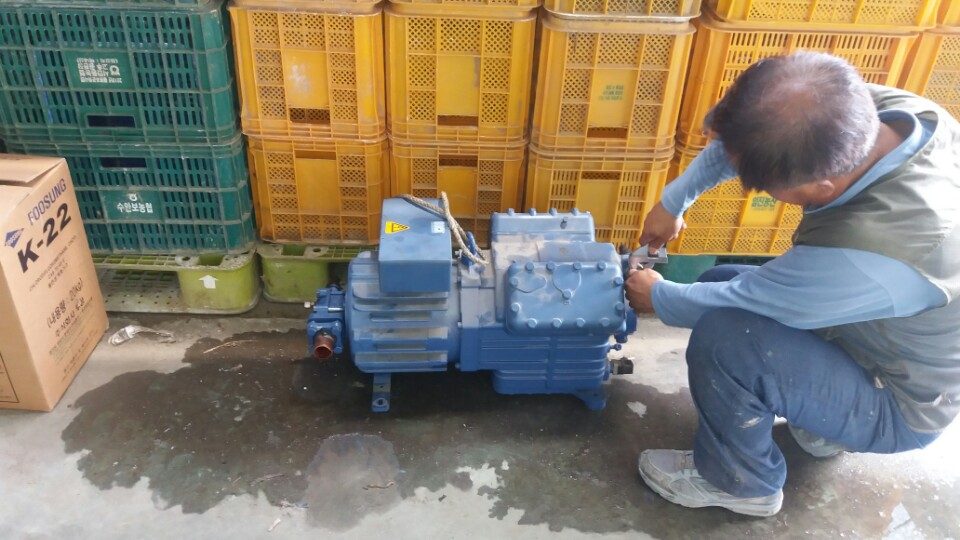
The lesson every tech learns the hard way: the cheapest repair is the one you catch before the compressor is on the bench. Log discharge temperature, running current, and sound on every visit, and the "this is different" moment arrives early — while it is still a service call, not a new compressor. That is exactly why I keep per-unit service history in R-Pro: next time I am at that machine, last visit's numbers are right there.