R‑Pro Get the app

What a Compressor Overhaul Actually Replaces — Worn vs New

Field notes from a working refrigeration & HVAC technician

"Overhaul" sounds technical, but it comes down to one thing: taking out what has worn and putting in what is new. Here is what that looks like.

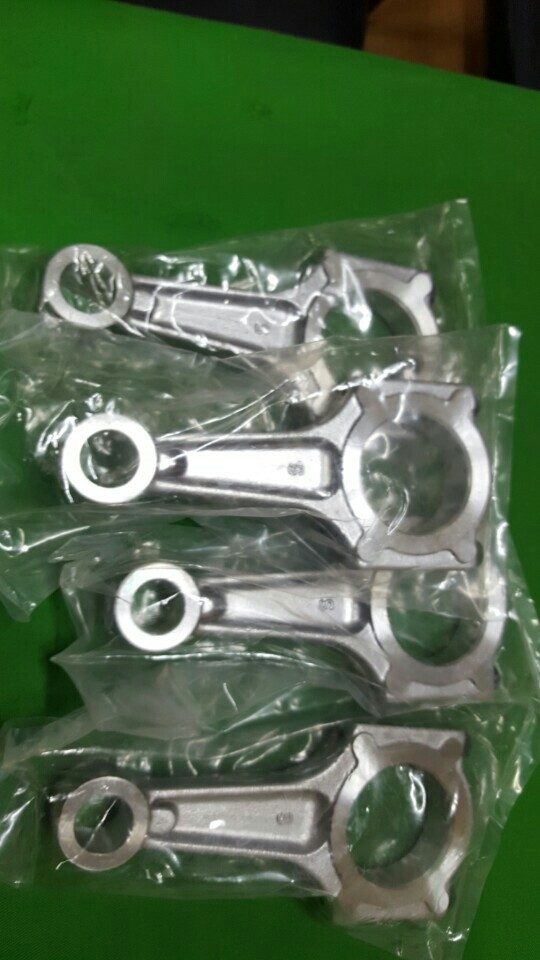
When a compressor is worth saving, an overhaul means opening it, measuring what is worn, and replacing those parts. It is not a coat of paint — it is new metal where the old metal has given up. Two photos show the before and after.
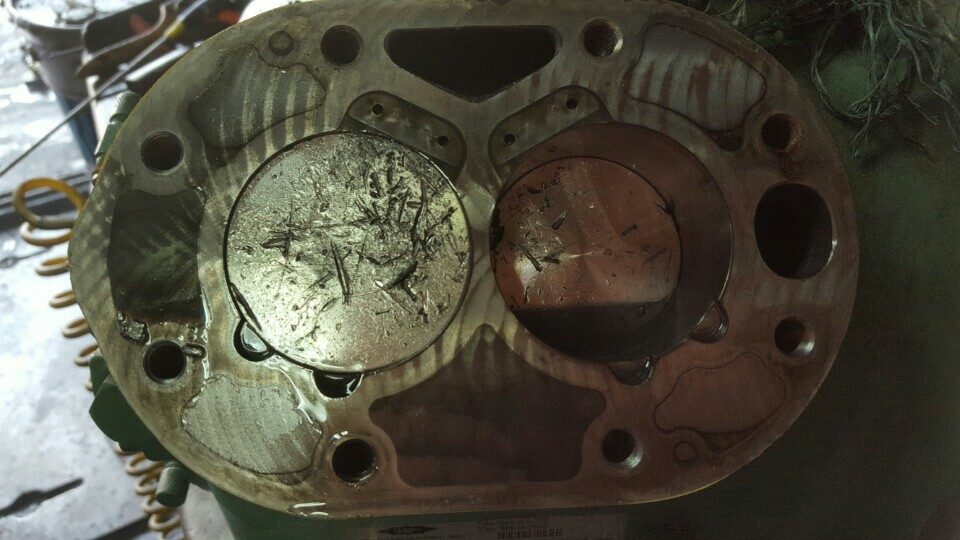
The top of the cylinders with the valve plate off — pistons and seats.
The top of the cylinders with the valve plate off — pistons and seats. See the scoring and dull, scratched faces. Metal that should be mirror-smooth is grooved. Surfaces like this leak compression and shed metal debris that spreads through the oil.
New connecting rods, still bagged, ready to go in. On an overhaul the
New connecting rods, still bagged, ready to go in. On an overhaul the worn rods, bearings, rings, valve plate and gaskets get replaced with fresh parts to spec — not reused.

The decision is simple economics: if the crankcase and crankshaft are sound, replacing the wear parts is far cheaper than a whole new compressor. If the journals are scored or the case is cracked, it is a replacement. Knowing which is which on site — before you quote — comes from reading the symptoms first. I log each machine's history in R-Pro so the call is based on its real trend, not a guess.

R-Pro — the field app behind these notes

Fault diagnosis, nameplate & receipt scanning, per-unit service history, refrigerant PT calculator and checklists — built by a tech, works offline.

See R-Pro
compressoroverhaulcompressor partsconnecting rodrefrigeration repairreplacement